
How do you choose the right cosmetics OEM factory? As is well known, an increasing number of clients are currently seeking cosmetics OEM and ODM services; indeed, the cosmetics industry has not escaped the allure of high profit margins. Typically, clients opt for cosmetics OEM manufacturers due to a lack of their own independent factories or production facilities—though this practice is by no means exclusive to small players, as even large, well-equipped brands frequently utilize such services.
In fact, certain cosmetics product lines are produced entirely by contract manufacturers. This is because major brands require substantial product support, and their in-house production facilities and research teams are often dedicated primarily to the development of new products. Today, the number of domestic cosmetics OEM and ODM manufacturers is on the rise, with each claiming to possess distinct competitive advantages. So, how exactly does one go about selecting the most suitable cosmetics contract manufacturing partner?
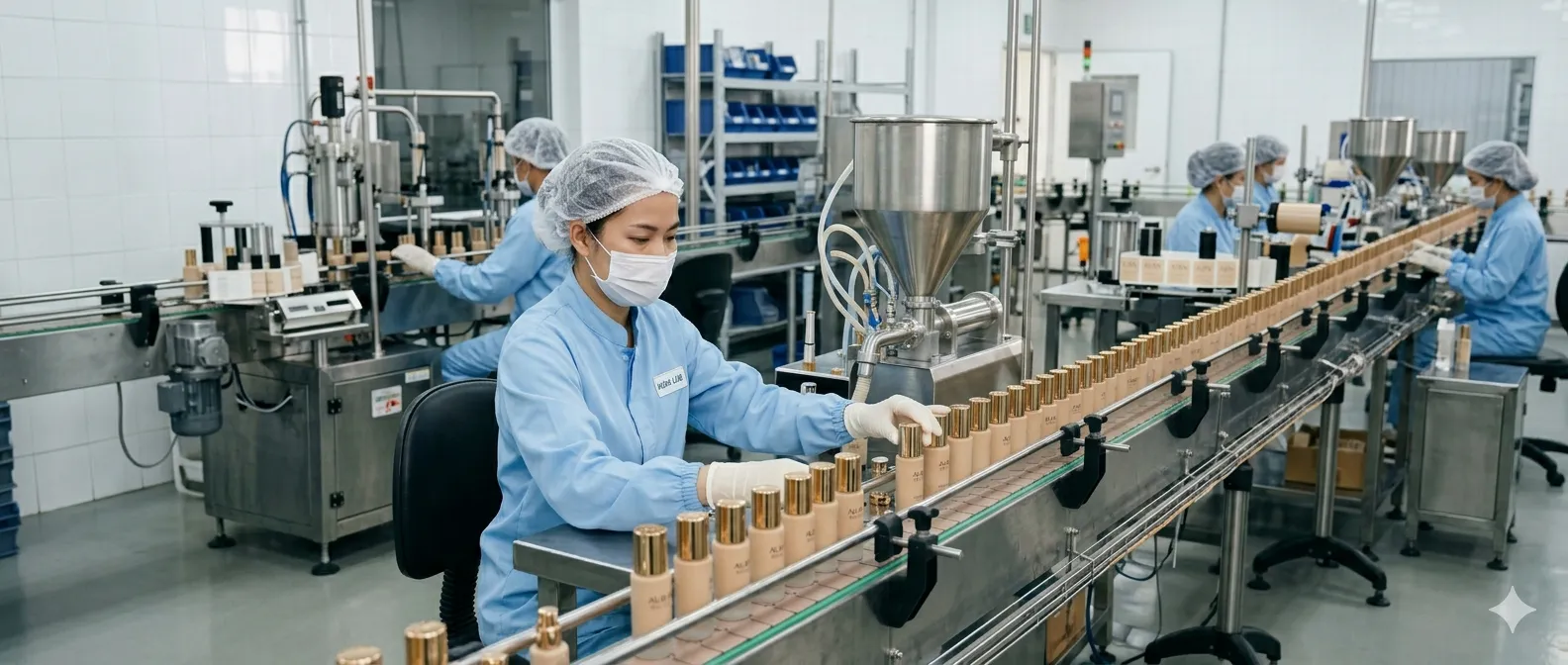
When selecting a cosmetics OEM factory, the following five factors should be carefully considered:
- On-site Inspection. The cosmetics industry is rife with intermediaries. The prices recommended by these intermediaries are often inflated, and the quality of the products they facilitate is difficult to guarantee. Therefore, it is essential to conduct an on-site inspection of the cosmetics contract manufacturing facility to personally assess the manufacturer’s premises and the environment within the production workshops.
- Verification of Laboratory Facilities and R&D Capabilities. Many cosmetics OEM factories lack dedicated laboratories and experience in product research and development; consequently, they possess no independent capacity to innovate or formulate new recipes. Instead, such manufacturing facilities typically rely on purchasing pre-existing formulas from external sources to produce their products.
- Laboratory and Production Equipment. Advanced laboratory equipment is a critical determinant of a cosmetics manufacturer’s ability to develop novel product formulas. Furthermore, production machinery plays a pivotal role in influencing the tactile feel and visual appearance of the finished cosmetic products. Therefore, when selecting a cosmetics contract manufacturer, it is imperative to verify whether the factory is equipped with state-of-the-art machinery and facilities.
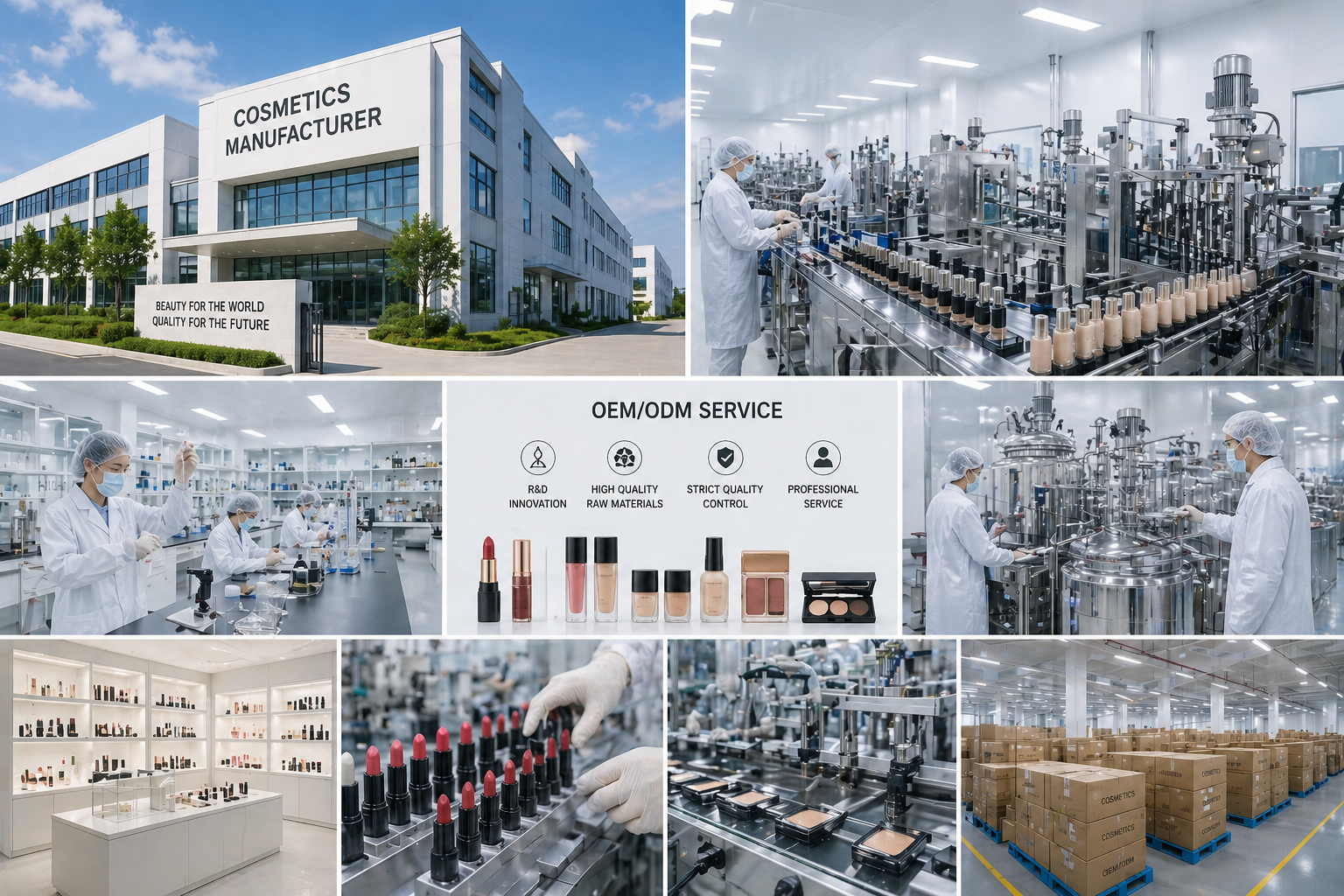
4. Production Workshop
Since cosmetic products come into direct contact with the skin, the production environment is subject to specific regulatory standards. Consequently, the state imposes strict requirements on cosmetic production workshops—covering factors such as airborne impurity levels, exhaust and drainage systems, and the maintenance of sterile production zones. These facilities must fully comply with national regulations and be comprehensively equipped. While the workshop need not be vast in size, it is imperative that all requisite facilities and infrastructure are present and complete.
5. Success Stories with Partner Brands
A professional cosmetic OEM (Original Equipment Manufacturer) facility serves as the production partner for numerous brands. By observing which brands this factory manufactures cosmetics for, you can effectively assess its reputation and the quality of its products.
How does one select a suitable cosmetics OEM factory? We believe this is a topic with which most people are already familiar. However, when choosing a contract manufacturer for cosmetics, it is crucial to exercise particular care. Guangzhou Suorou stands as an advanced base for cosmetics R&D and manufacturing. Integrating product research and development, production, sales, and service, the company provides clients with comprehensive, one-stop OEM/ODM/OBM solutions—encompassing a wide spectrum of services ranging from product planning, formula development, and packaging design to efficacy testing, emulsification, filling, packaging, warehousing, and logistics.